
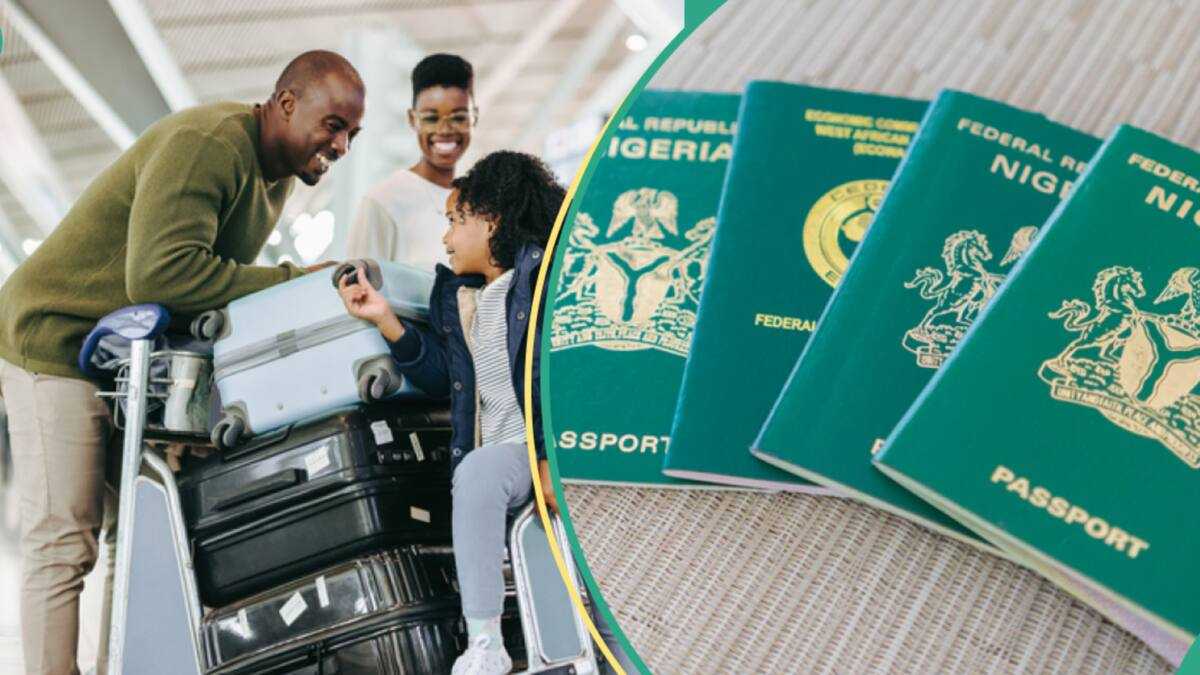
The Nigerian passport has long carried one of the heaviest travel burdens in the world. Holders face intense scrutiny at international borders, lengthy embassy queues and rigorous background checks that make spontaneous overseas travel a near-impossibility for most citizens. It is a reality that speaks to how the international community perceives Nigerian mobility — and it is one that successive governments have done precious little to address through meaningful diplomatic reciprocity.
Yet the picture is not entirely bleak. A small but significant group of territories outside Africa maintain open-border arrangements that allow Nigerians to arrive without securing a visa in advance. According to data compiled by Passport Index, seven non-African destinations currently offer this access, spread across the Caribbean, the Pacific and the Americas.
The most generous arrangements belong to Barbados and Dominica, both Caribbean island nations that permit visa-free stays of up to 180 days — a full six months. Fiji and Vanuatu, sitting in the South Pacific, each allow stays of up to 120 days. Haiti, in the Caribbean, and Kiribati, a Pacific island state, both grant 90-day access. Micronesia rounds out the list with a 30-day visa-free window. Together, these seven nations represent the full extent of unrestricted global access available to the Nigerian passport holder outside the African continent — a sobering figure when set against the 180-plus countries that citizens of stronger passports enter freely.
Visa-free status does not mean entry without conditions. Airlines will check that a passport carries at least six months’ validity remaining from the date of arrival, and travellers who fail this basic threshold will be turned away at the gate before they even reach the border. Immigration officers at the port of entry will typically demand a confirmed return ticket and credible proof of sufficient funds to cover the intended stay. These are standard requirements, but Nigerian travellers in particular should arrive prepared, given the heightened scrutiny that Nigerian passports routinely attract at international checkpoints.
The broader context here matters. Nigeria is Africa’s largest economy and its most populous nation, yet its citizens carry a passport that ranks among the weakest on earth. That gap between economic weight and diplomatic reach is not accidental — it reflects decades of inconsistent foreign policy, reputational damage from fraud-related travel abuses and a failure to negotiate meaningful bilateral agreements with major destination countries. Until that changes, the list of seven nations will remain a modest consolation rather than a genuine measure of global standing.