
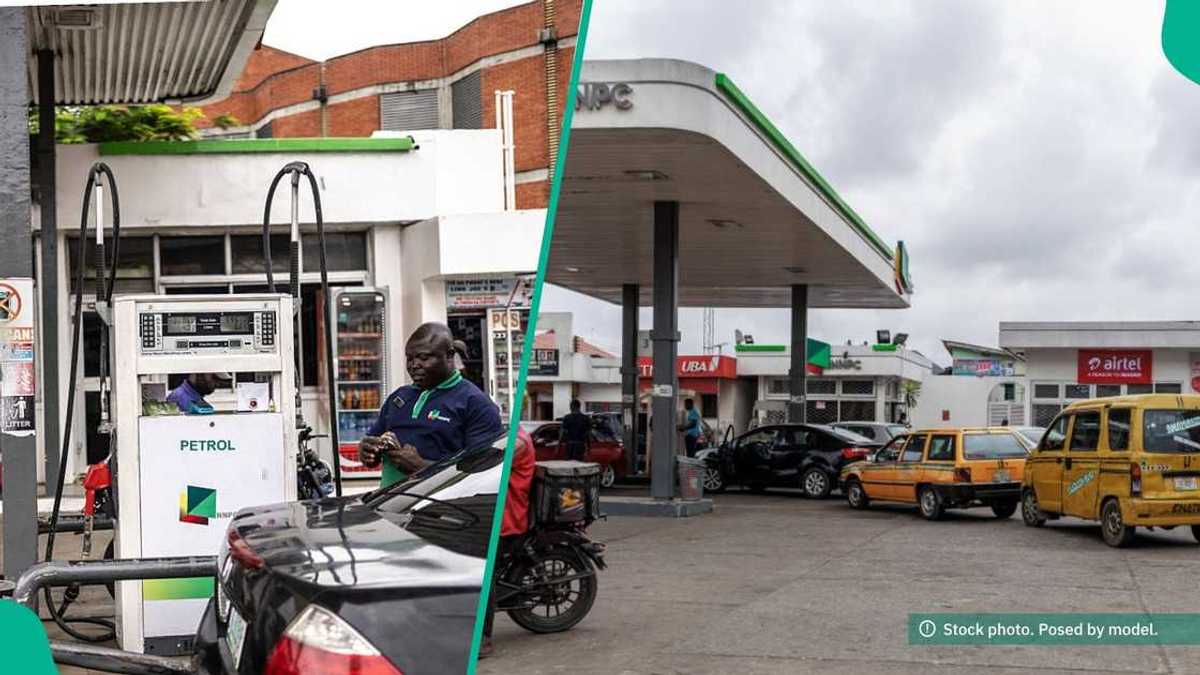
Filling stations across Nigeria have raised pump prices for petrol, with motorists in some states now paying as much as N1,230 per litre — and the trigger is clear: private depot owners have pushed wholesale loading costs to around N1,200 per litre.
A market survey by Petroleumprice.ng confirmed the upward shift in retail prices across Lagos, Abuja, Port Harcourt, Kaduna, Enugu and several other states. The immediate cause was a temporary suspension of petrol loading at the Dangote Petroleum Refinery, which tightened supply and gave depot owners the opening to raise wholesale prices. Independent marketers, facing higher input costs, passed those increases straight to the pump.
In Lagos, stations along the Isheri-Igando Road corridor adjusted prices sharply upward. Toluwalashe sold at N1,198 per litre, Einiceato at N1,185, Techno Oil at N1,160 and Mavdav at N1,150. In the Federal Capital Territory, the NNPC retail outlet in Wuse Zone 2 held at N1,118 per litre, while TotalEnergies on the Kubwa Expressway charged N1,119. AYM Shafa and Bovas sold at N1,180, and Sunset Energy and Mainland filling stations reached N1,200. An MRS station on the same expressway was not dispensing fuel at all during the survey. Kaduna recorded the highest prices nationally, with outlets such as Edi-Jen, A.A. Rano, Rainoil and Future View all charging N1,230 per litre, against N1,168 at the NNPC Mega Station. Port Harcourt stations including Eterna sold at N1,200, while Enugu ranged between N1,100 and N1,220. Edo State prices ran from N1,140 at the NNPC outlet on Sapele Road to N1,200 at other stations. Ondo State offered some of the lowest prices, ranging from N1,110 to N1,125, and Ilorin in Kwara State sat between N1,100 and above N1,150.
The Nigerian Midstream and Downstream Petroleum Regulatory Authority (NMDPRA) has sought to calm nerves, stating that national stocks of petrol, diesel and liquefied petroleum gas remain sufficient to meet current demand. The regulator urged Nigerians to avoid panic buying or stockpiling, insisting there is no supply crisis. Whether that assurance holds depends largely on how quickly loading resumes at Dangote and whether depot owners pull prices back once supply normalises. For now, Nigerians at the pump are paying the price of that uncertainty.