It began as a routine stop-and-search along the Lagos-Benin Expressway — the kind of roadside encounter that millions of Nigerians endure without consequence or record. This time, however, a camera was rolling. The footage captured four officers attached to the Ondo State Police Command making ethnically charged remarks to a motorist described as a returnee from the United Kingdom, and within hours the clip had spread rapidly across X and other social media platforms, drawing condemnation from across the country.
The confrontation, as seen in the video, was not merely tense — it was revealing. The motorist accused the officers of intimidation, ethnic profiling and attempted extortion. Most damning of all, one of the officers was clearly heard suggesting that the driver would have been detained had he been of Igbo origin. That remark, more than anything else in the clip, cut through: it pointed not to a momentary lapse in judgement but to a mindset that treats ethnicity as grounds for suspicion.
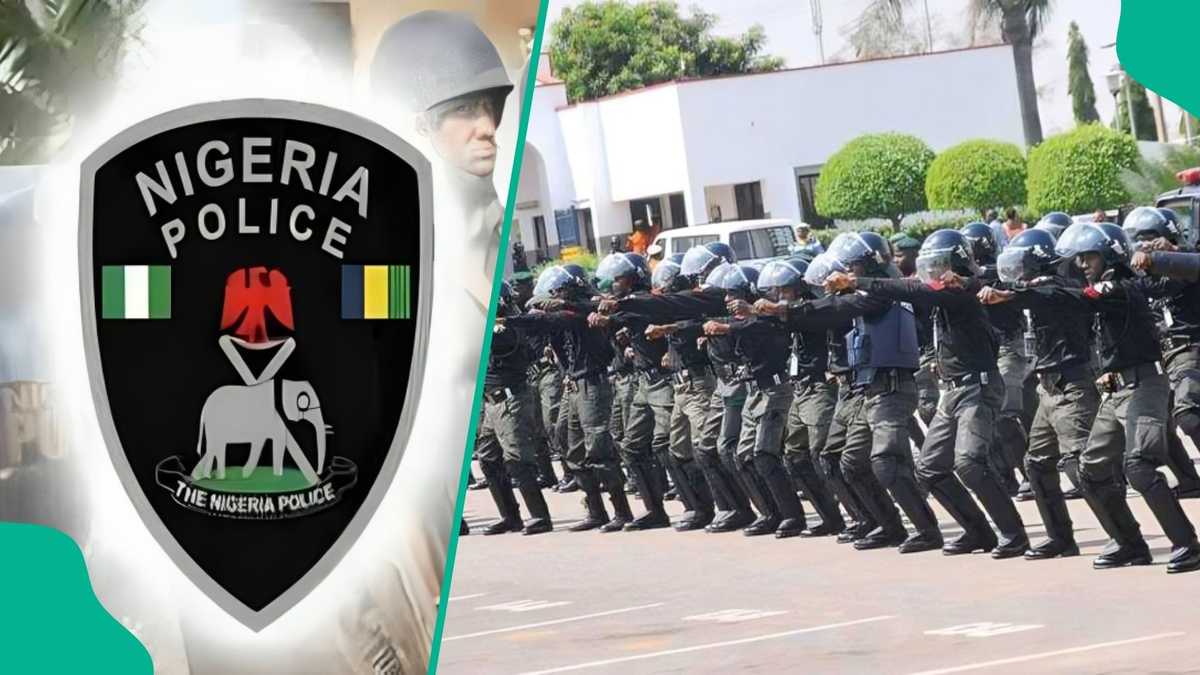
The video’s rapid circulation forced an official response. The Ondo State Police Command identified and arrested all four officers on the orders of Commissioner of Police CP Felix Ohagwu. Police Public Relations Officer DSP Abayomi Jimoh confirmed the arrests while speaking to journalists in Akure on Friday, 25 July 2025, and named the officers in full: ASP Elomore Sodayo (AP/No. 207454), Inspector Adefila Adewale (AP/No. 332012), Inspector Olorunfemi Opeyemi (AP/No. 332449), and Inspector Odusola Peter (AP/No. 332369). CP Ohagwu ordered a full investigation into the circumstances surrounding the incident.
Jimoh was unambiguous in setting out the Force’s position. He stated that the Nigeria Police Force would not overlook conduct capable of damaging public trust or stoking ethnic tensions, describing the institution as one that does not condone misconduct, incivility or actions that undermine public confidence or promote ethnic division. He added that all officers are bound at all times by the Force’s Code of Conduct and Standard Operating Procedures, and are required to treat members of the public with professionalism and respect for human dignity — standards that, on this occasion, were plainly not met.
On the question of accountability, Jimoh offered an assurance that the investigation would be fair and transparent, and that any officer found to have acted contrary to the ethics and standards of the Nigeria Police Force would face appropriate disciplinary measures in accordance with established procedures. The command also urged members of the public to use official complaint channels when reporting police misconduct rather than relying solely on social media exposure to compel action.
The episode has reignited a broader and uncomfortable conversation about ethnic profiling in Nigerian law enforcement — a practice that security experts have long warned corrodes national cohesion and erodes public confidence in state institutions. That a viral video was required to trigger this particular response raises an obvious question: how many similar encounters pass unrecorded, and therefore unaddressed? The arrests are a necessary step. Whether they lead to genuine accountability, or simply serve to manage the news cycle, remains to be seen.