The Companion, an association of Muslim men in business and the professions, has announced its 7th National Discourse, scheduled for Sunday, 23 August 2026, at the J.F. Ade Ajayi Auditorium, University of Lagos, Akoka. The event begins at 10:00 am and carries the theme ‘Nigeria’s Political Landscape and the Ethno-Religious Divides’ — a subject that sits at the very heart of the country’s unresolved tensions.
The announcement came through a joint press statement signed by Prof. Tunde Akanni, chairman of the media, publicity and digital mobilisation subcommittee, alongside secretary Tajudeen Balogun.
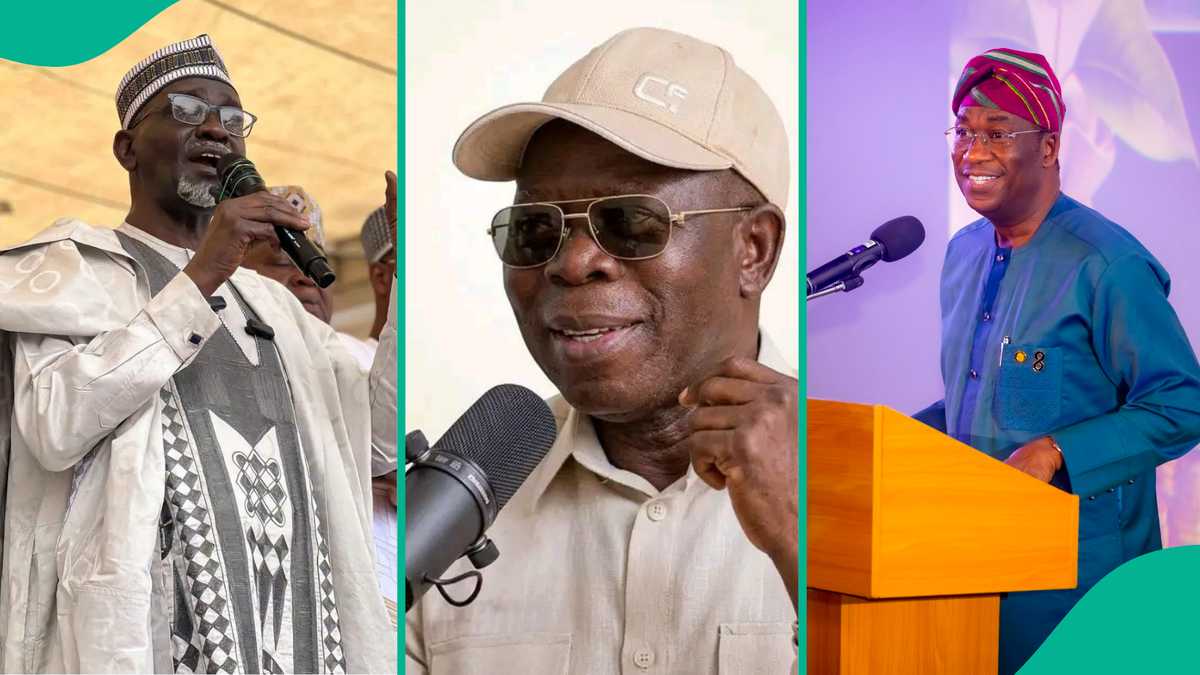
Former Minister of Education Mallam Ibrahim Shekarau will chair the occasion, lending the event considerable political weight. Adams Oshiomhole, the senator representing Edo North, has been confirmed as keynote speaker — a man rarely short of a pointed view on national affairs.
Lagos State Deputy Governor Obafemi Kadiri Hamzat and Senator Shuaib Afolabi Salis are listed as special guests of honour. The Olota of Ota, Aworiland, Oba (Prof.) AbdKabir Obalanlege, will serve as Royal Father of the Day.
The formal lecture, titled ‘Interrogating Nigeria’s Democracy in the Context of Multiple Diversity’, will be delivered by Prof. Liasu Adele Jinadu, former Director General of the Administrative Staff College of Nigeria (ASCON). Organisers expect the audience to include government officials, business executives, policymakers, academics, students and representatives from a broad range of interest groups.
Ahead of and during the main programme, the planning committee will run a free medical check-up for attendees — a tradition The Companion has maintained across previous editions of the discourse.
The 6th edition took place on Saturday, 10 August 2024, in Abuja, under the theme ‘Between Patriotism and Self-Preservation.’ Speaker of the House of Representatives Tajudeen Abbas chaired that event. The lecture was delivered by Abike Dabiri-Erewa, chairperson and chief executive of the Nigerians in Diaspora Commission (NIDCOM), with former University of Abuja Vice Chancellor Prof. Abdul-Rasheed Na’Allah also playing a supporting role.
With ethno-religious fault lines continuing to shape Nigerian politics, the 2026 edition arrives at a moment when the country can ill afford to sidestep these conversations. Whether the discourse produces actionable thinking or remains a gathering of familiar voices remains to be seen — but the calibre of participants suggests the debate will at least be substantive.