
Lagos does not do affordable quietly. The city’s rental market has been squeezing household budgets for years, and in 2026 it shows no sign of relenting.
Rents across the metropolis continue to climb, driven by population pressure, infrastructure deficits and a chronic shortage of decent housing stock. For the average Lagos resident, finding a flat that does not consume half the year’s income has become something close to a full-time occupation. Yet pockets of relative affordability do still exist — if you know where to look, and if you are honest with yourself about the true cost of living there.
The most budget-friendly neighbourhoods are concentrated on the outer Mainland and in satellite communities that sit well beyond the traditional commercial core. Areas such as Ikorodu, Badagry, Ojo, Agege, Abule Egba and Ikotun/Igando consistently appear at the lower end of rental guides. Their distance from Lekki, Ikoyi, Victoria Island and Ikeja is precisely what keeps prices down — lower land values and weaker demand from higher-income tenants create a gap that budget renters can exploit. According to recent 2026 rental data from TurnerFinance, self-contained apartments in some of these areas start from roughly ₦200,000 to ₦500,000 annually, with two-bedroom flats beginning around ₦600,000 in the more accessible neighbourhoods.
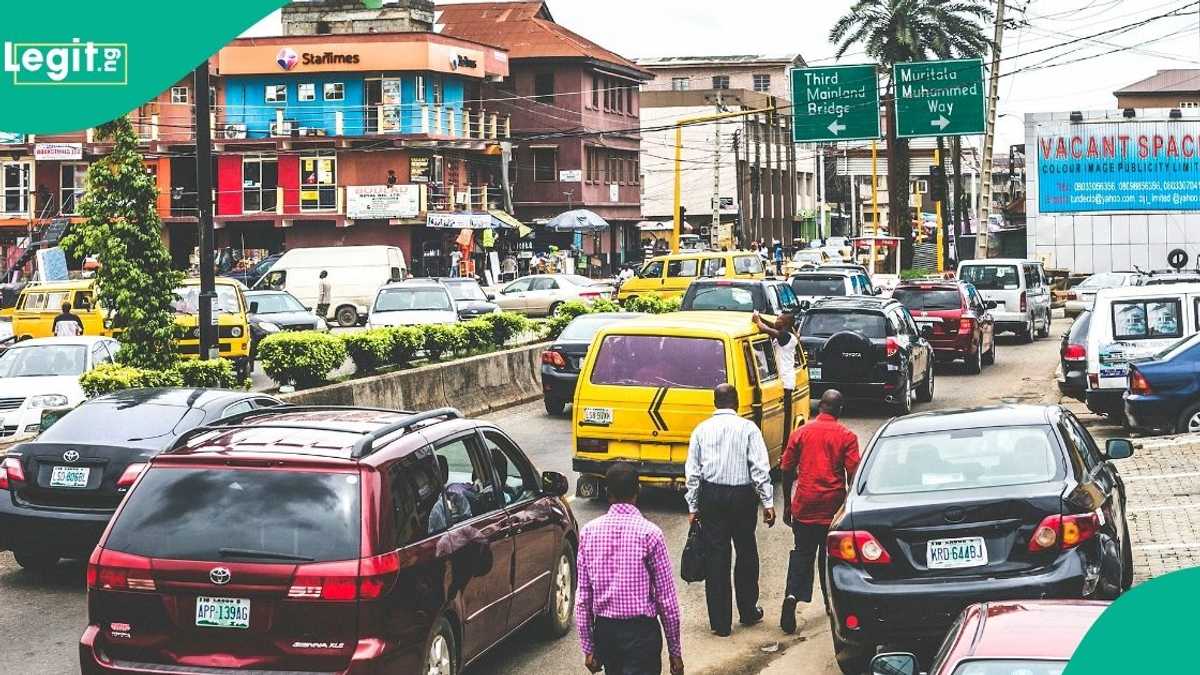
Ikorodu is the name most frequently cited by those hunting for space without the premium price tag. Rooms and self-contained units typically fall between ₦250,000 and ₦450,000 per year. Mini-flats range from about ₦400,000 to ₦700,000, and two-bedroom flats can be found anywhere between ₦600,000 and ₦1.2 million depending on the street and the state of the building. PropertyPro listings broadly confirm this range, though some properties push considerably higher. The trade-off is the commute — Ikorodu’s distance from Lagos Island and the Third Mainland Bridge’s notorious congestion make daily travel a serious calculation, not an afterthought.
Badagry sits at the western edge of Lagos State and offers some of the lowest advertised rents in the metropolis. It is a genuine option for tenants who prioritise cost above all else, though the commuting burden for anyone working centrally is substantial. Ojo, closer in than Badagry and better connected, offers rooms and self-contained units estimated between ₦180,000 and ₦350,000, mini-flats from ₦300,000 to ₦600,000, and two-bedroom apartments between ₦500,000 and ₦900,000. For households with flexible working arrangements or local employment, Ojo represents a reasonable balance of cost and connectivity.
Agege and Abule Egba attract renters who want lower costs without venturing too far from the traditional Mainland. Self-contained apartments run roughly ₦200,000 to ₦400,000 annually, mini-flats between ₦350,000 and ₦700,000, and two-bedroom flats from ₦600,000 to ₦1.1 million. Ikotun and Igando, further south-west, are equally popular among budget-conscious tenants. Rooms and self-contained units are estimated at ₦250,000 to ₦450,000 per year, while two-bedroom flats range from ₦600,000 to ₦1.3 million — reflecting the area’s improving infrastructure and growing demand.
None of this, however, tells the full story. Cheap rent is not the same as cheap living. Before signing anything, a prospective tenant needs to weigh transportation costs — which in Lagos can be punishing — alongside electricity supply, water availability, road conditions and security. Agency fees, legal fees and caution deposits can add months of additional rent to the upfront cost of moving in. The property with the lowest advertised annual rent may, once all of that is factored in, prove more expensive than a slightly pricier flat closer to work. Comparing total annual outgoings, not just the headline rent figure, gives a far more honest picture of what a neighbourhood will actually cost you.
The broader context is uncomfortable. Lagos residents have been vocal about the strain. In interviews published by Punch, many said rent now consumes close to half — or more — of their yearly income. The globally recommended ceiling is 30 per cent. The gap between that benchmark and lived reality in Lagos is not a blip; it reflects structural failure in the city’s housing market. Residents have called on government to intervene before the situation deteriorates further. Whether that call will be answered with meaningful policy or the usual platitudes remains, for now, an open question.
What is certain is this: affordable accommodation in Lagos still exists, but it demands compromise. The city will not hand it to you. You have to go looking — and go in with your eyes fully open.