
The Announcement
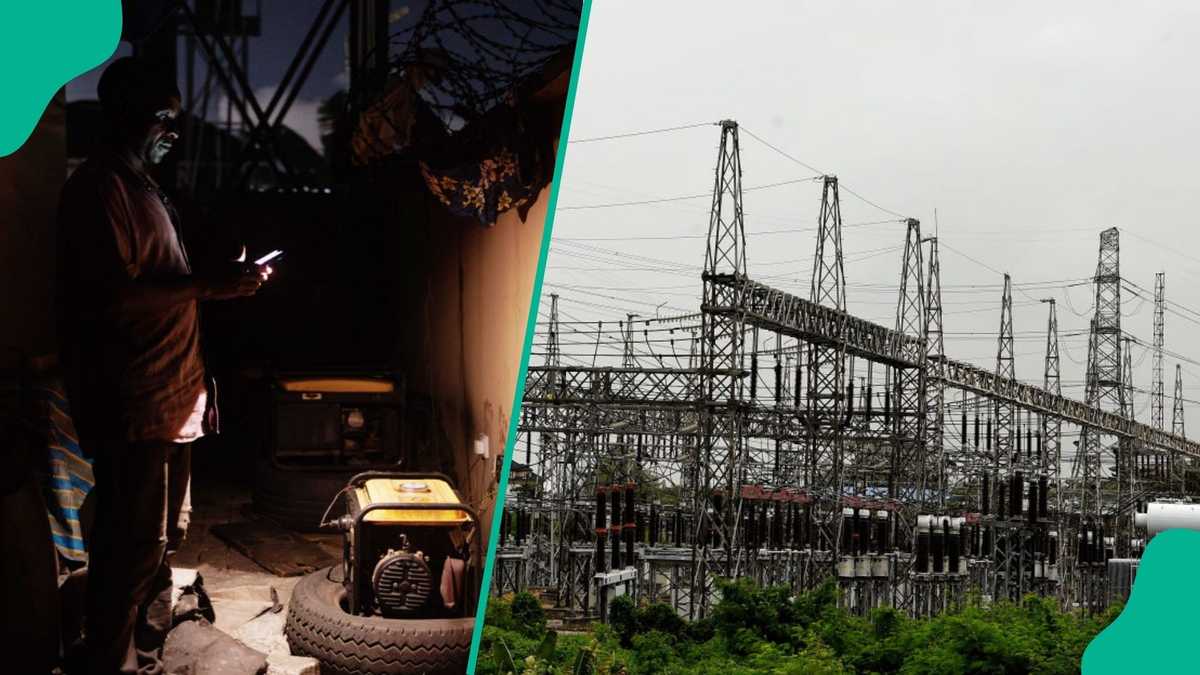
The Abuja Electricity Distribution Company (AEDC) has put residents and businesses across several parts of the Nigerian capital on notice: expect power interruptions for up to two weeks, beginning 3 September 2026. The company issued a public notice listing a substantial number of streets, government offices and commercial zones that will be affected by what it describes as temporary load shedding to facilitate network rehabilitation works.
The affected areas sit largely within and around the Maitama district — one of Abuja’s most prominent and densely institutionalised neighbourhoods. The breadth of the list is striking. Among the locations named are Usuma Street, Gana Street, Kunene Close, Pope John Paul, Holy See, the Russian Embassy, the Japanese Embassy, Zenith Bank, Lake Chad and Lake Alawo. Further down the notice, AEDC listed Sinclair, the Nigerian Governors’ Forum, Onah Crescent, Kainji Street, Kastinala, BPE, Osun Crescent, Osun Close, Kura Close, Danube Street, River Niger, Transcorp and the TCN Headquarters.
The Customs Office Headquarters, NCC Headquarters, NUC Headquarters, the British Council, Oakland, Maitama Heights, Maitama Extension and their surrounding environs also appear on the list.
What AEDC Says It Is Doing
According to AEDC, the outages are not permanent. The company framed the disruption as a necessary step towards a more reliable electricity supply once the rehabilitation exercise concludes. In its own words: “The temporary load shedding is necessary to facilitate the rehabilitation exercise, which is scheduled to run for two weeks and is expected to end on 22 September 2026. The works are aimed at improving network reliability and increasing capacity for a more dependable electricity supply.”
AEDC apologised for the inconvenience and asked customers to bear with it during the works. Residents and businesses with enquiries can contact the company on 08039070070.
Whether the rehabilitation will genuinely deliver a more stable supply — or simply hand residents a fortnight of darkness followed by business as usual — remains to be seen. Nigerians have heard this promise before.
A Separate Fault Was Already Causing Problems
The timing of this announcement is notable. Just two days earlier, on 1 September 2026, AEDC had issued a separate notice about a technical fault that had already disrupted supply across Abuja and neighbouring areas. A fault on the 132kV Katampe-GIS Dawaki Line 1 tripped at approximately 7:13 p.m. on 31 August 2026, forcing the system to run on Line 2 alone.
That fault triggered load shedding across several 33kV feeders connected to transmission stations at GIS Dawaki, Kubwa and Suleja. AEDC said its engineers were working with industry partners to restore full supply but offered no specific timeline. Abuja residents, in other words, were already managing a degraded electricity supply before this new two-week interruption was announced.
Tariff Hike Looming in the Background
Compounding the frustration is a broader development at the regulatory level. The Nigerian Electricity Regulatory Commission (NERC) has signalled that it is reviewing electricity tariffs across all customer bands, citing rising operational costs in the sector. A tariff increase, if confirmed, would land on consumers who are already absorbing the costs of unreliable supply and a punishing cost-of-living environment.
NERC has sought to reassure consumers that any adjustment would be tied to improvements in service delivery and the protection of customer rights. That assurance will carry little weight for households and businesses that pay their bills faithfully yet endure persistent outages — scheduled or otherwise.
The situation in Abuja captures a contradiction that has defined Nigeria’s electricity sector for decades: consumers are asked to pay more and wait longer while the infrastructure they depend on continues to underperform. AEDC’s rehabilitation works may well be genuine and necessary. But until the lights stay on consistently, public scepticism is not just understandable — it is earned.