
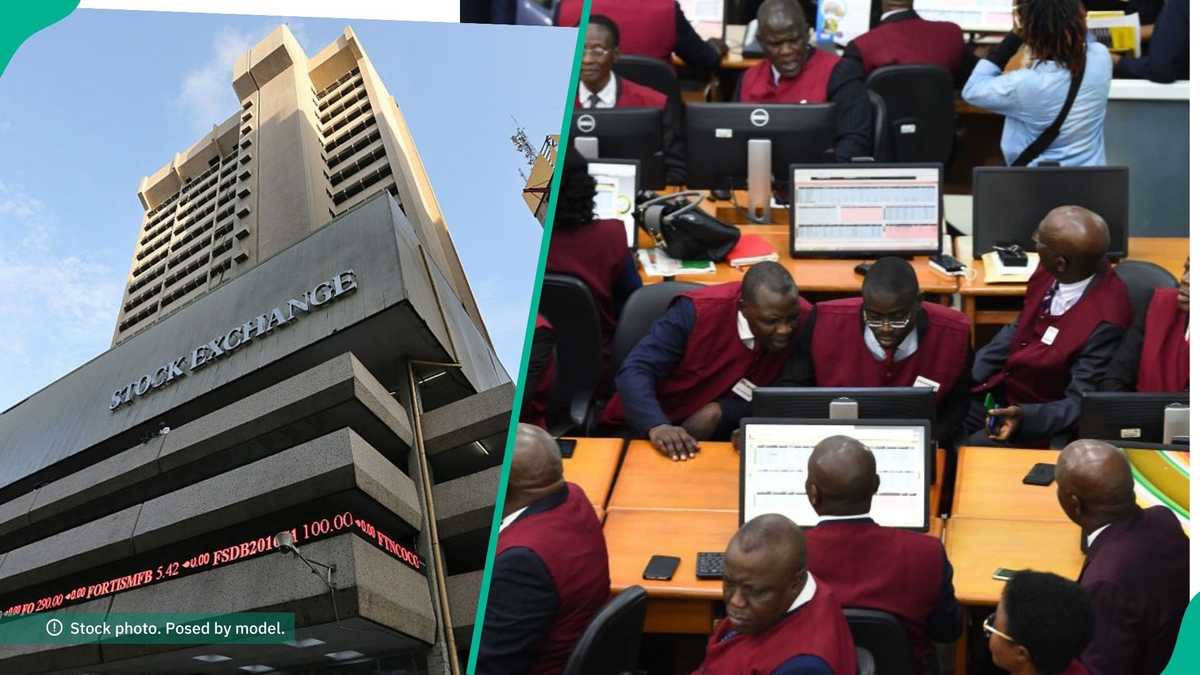
Nigeria’s equities market added N297.21 billion to investors’ wealth on Tuesday, 22 September 2026, as buying pressure across blue-chip and mid-cap stocks pushed the NGX All-Share Index up 0.18% to close at 250,614.66 points — lifting the market’s year-to-date return to an impressive 61.05%.
The session’s gains were broad-based. Cadbury Nigeria led all advancers with an 8.29% surge, followed by Stanbic IBTC Holdings at 7.09% and UBA at 4.07%. Custodian Investment, Zenith Bank and GTCO rounded out the top performers, adding 2.71%, 2.64% and 2.54% respectively. Other notable movers included First HoldCo, Dangote Cement, PZ Cussons Nigeria, Oando, Access Holdings and Wema Bank. Market breadth came down firmly on the side of buyers, with 36 stocks advancing against 26 that declined.
Trading activity was notably brisk. Total volume jumped 45.82% to 837.26 million units across 52,126 deals, with aggregate value reaching N48.57 billion. Fidelity Bank dominated by volume, accounting for 165.43 million shares — nearly a fifth of the day’s total. Zenith Bank led by value, recording N13.73 billion, or 28.27% of total traded value. On the downside, Sovereign Trust Insurance was the session’s top gainer by percentage, while Multiverse Mining and Exploration suffered the steepest fall. Regency Alliance Insurance hit a new 52-week low of N0.70, and Legend Internet also slipped to a fresh low before recovering to close at N3.40.
The CBN’s rate cut explained
The market’s positive close coincided with the Central Bank of Nigeria setting out its rationale for cutting the Monetary Policy Rate from 26.5% to 23% — a reduction of 350 basis points — at its 307th Monetary Policy Committee meeting in Abuja.
The CBN’s explanation was candid. The apex bank acknowledged that the old MPR had effectively become irrelevant, with the Standing Deposit Facility rate quietly displacing it as the benchmark that banks actually used to price transactions. That divergence, the bank argued, was blunting the transmission of monetary policy to the real economy — meaning rate decisions in Abuja were having little practical effect on the ground.
The CBN was careful to frame the move not as conventional monetary easing but as an “operational realignment” — a technical correction designed to restore the MPR’s role as the genuine anchor for interest rates across the financial system. Whether the adjustment achieves that goal in practice remains to be seen, but the market’s response on Tuesday at least suggests investors are taking the signal seriously.