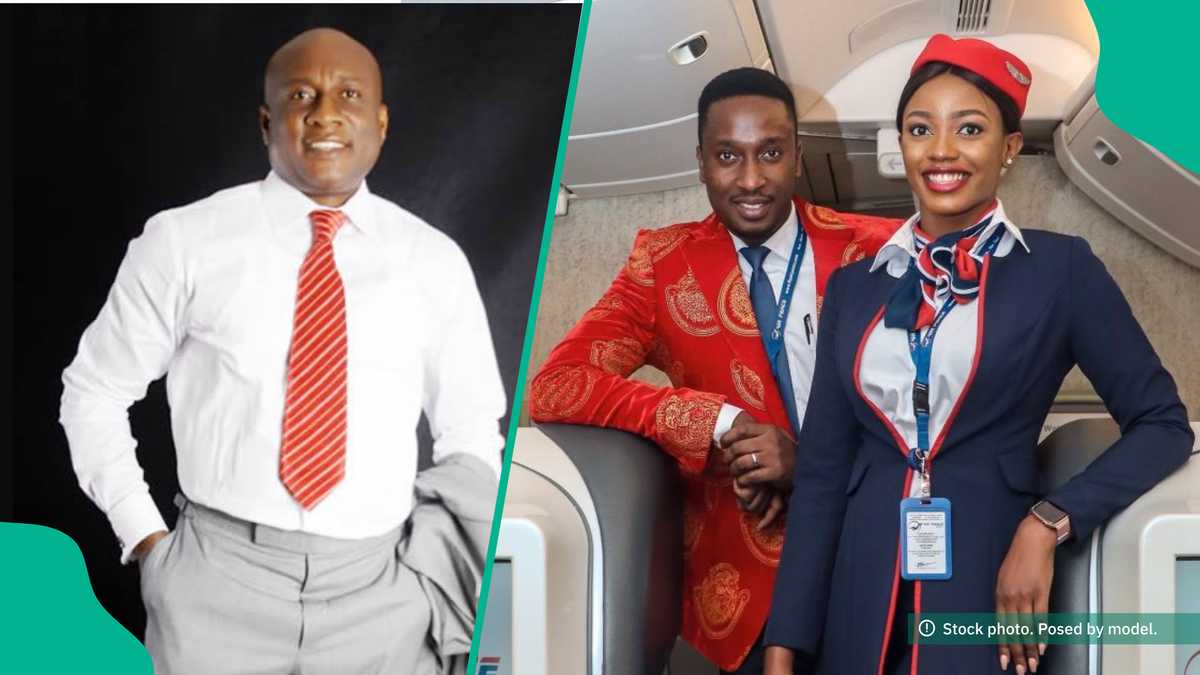
It began, as so many Nigerian aviation grievances do, in the early hours of a Monday morning. Human rights lawyer Inibehe Effiong arrived at Terminal One of Murtala Muhammed Airport, Lagos, at around 5:50 am on 21 September 2026, ready to board Air Peace Flight P47100, scheduled to depart for Enugu at 6:45 am. He had completed his check-in the previous night. He had a court appearance in Enugu State to keep. What he did not have, it turned out, was a flight.
Passengers were told the flight had been pushed back to 4:50 pm — a delay of roughly ten hours. Effiong missed his court appearance.
That alone would have been bad enough. What made it worse was how passengers had been handled. Despite the rescheduling, Air Peace had sent a notification instructing passengers to report for the original departure time. The message was wrong. The Nigeria Civil Aviation Authority (NCAA) would later confirm as much after Effiong submitted a screenshot as evidence. The airline’s own station and duty managers reportedly acknowledged the error.
Effiong did not let it rest. He escalated the complaint to the NCAA, and the regulator moved quickly. NCAA Director of Public Affairs and Consumer Protection Michael Achimugu confirmed that a preliminary review had found the erroneous notification was not a force majeure incident — it was an operational failure, and one the airline was obliged to answer for. The delay itself, Achimugu noted, appeared to stem from the ripple effect of a disruption on Sunday night, but that context did not excuse the miscommunication.
The NCAA directed Air Peace to compensate affected passengers under Part 19 of the Nigeria Civil Aviation Regulations 2023, which sets out an airline’s obligations when flights are disrupted. Timely and accurate communication, Achimugu stressed, is not optional — it is a regulatory requirement.
By Wednesday, 23 September, Effiong disclosed that he had received an email from Air Peace’s call centre. The airline apologised for the disruption and offered a 25% discount on a one-way domestic ticket, excluding taxes, applicable on any of its domestic routes.
Effiong welcomed the NCAA’s intervention. He was considerably less generous about Air Peace itself.
“This modest effort by Air Peace to assuage me and other aggrieved passengers should not detract from the fundamental issue, namely: the perennial lackluster, arrogant and frustrating attitude of the company,” he wrote on X.
He also called for the regulatory framework to go further. “While the swift response of Mike Achimugu and NCAA in this case are commendable, there is no doubt that we need a stiffer and stronger regulatory framework in the aviation industry to protect the rights of air passengers,” he added.
His frustration is difficult to dismiss when set against the data. NCAA figures for August 2026 show that Air Peace recorded 1,330 delayed flights out of 1,864 flights in the regulator’s dataset — a delay rate of roughly 71.4%. That is not a rounding error. That is a structural problem.
Air Peace has previously attributed its disruptions to a cluster of unrelated operational setbacks occurring in quick succession. Chief Operating Officer Oluwatoyin Olajide made that case publicly, framing the delays as an unfortunate convergence rather than a systemic failure. Whether passengers stranded for ten hours at 5:50 in the morning find that framing persuasive is another matter entirely.
What this episode does confirm is that the NCAA, when pushed, can act with reasonable speed and hold airlines to account. The question Effiong and others are now raising is whether that pressure should depend on individual passengers being persistent and legally literate enough to force the issue — or whether the regulatory framework should deliver accountability as a matter of routine, regardless of who complains and how loudly.
For now, Effiong has his discount voucher. Nigeria’s flying public is still waiting for something more durable.