
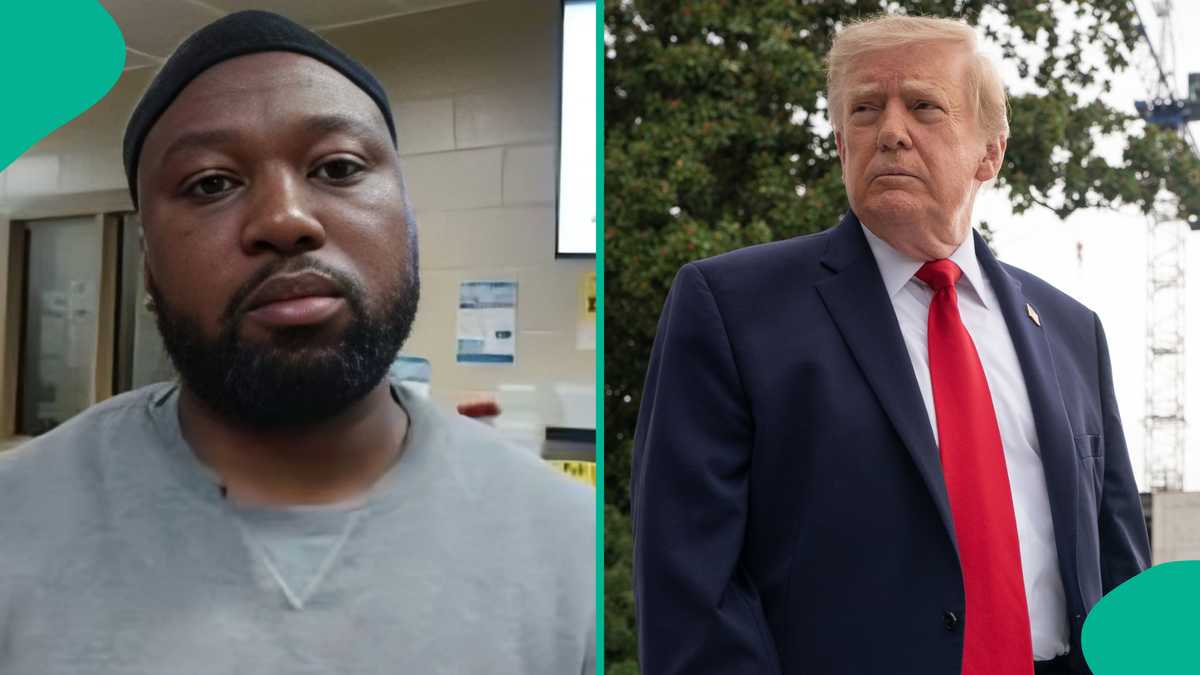
The United States government has gone public — names, faces and all.
In a move that signals just how seriously Washington is treating the question of illegal migration and foreign nationals implicated in crime, American authorities published a formal list of 176 Nigerian and Ghanaian nationals earmarked for deportation, complete with photographs and details of alleged offences. The publication forms part of a broader federal push to identify and remove individuals the US considers unwanted on its soil, and it makes for uncomfortable reading for both Abuja and Accra.
The story begins, as most of these do, not with a single dramatic moment but with a slow accumulation of arrests spread across multiple American states over a considerable period. Ghanaian nationals were picked up in cities ranging from Orlando, Florida, to Fargo, North Dakota, to Westerville, Ohio — a geographical spread that underscores how widely dispersed these communities had become and how methodically federal agencies had been building their cases. The alleged offences run the full spectrum from shoplifting and larceny at one end to wire fraud, money laundering, identity theft and kidnapping at the other.
Among the Ghanaians named, George Hayford was arrested in Orlando on fraud charges, while Eric Amoah was held in Dumfries, Virginia, accused of possessing fraudulent immigration documents and money laundering. Success Bounte, arrested in Newark, New Jersey, faces a particularly long charge sheet — identity theft, robbery, burglary and credit card fraud — and is listed as having a gang affiliation with the West Side Rolling 60s. Charles Amofa, arrested in Hagerstown, Maryland, is accused of criminal offences including kidnapping, and Kofi Osei, held in Hopewell, Virginia, faces charges of wire fraud, making false statements and money laundering.
Others named include Jeffrey Nana Ameyaw Bempah, arrested in Manti, Utah, for the illegal use of credit cards; Tourey Rufai, arrested in New York on wire fraud charges; and Regina Asante Henaku, held in Framingham, Massachusetts, facing larceny, identity theft, credit card fraud and impersonation. Solomon Blay of Newark is listed for cruelty towards a child alongside fraud, while Brian Danjuma of Frederick, Maryland, faces domestic violence charges. The list continues in this vein — Awudu Aidoo in Alden, New York, on a weapons offence; Masawudu Gariba in York, Pennsylvania, on drug and narcotics charges; and Franklin Donkoh in Atlanta on shoplifting charges, to name but a few.
The 24 Ghanaians identified in the reporting represent only a portion of the full 176-strong list, which encompasses Nigerian nationals as well. Taken together, they paint a picture that American authorities clearly want the world to see — hence the decision to publish not just names but photographs, a deliberate act of public disclosure that goes well beyond routine administrative procedure.
That decision deserves scrutiny. Publishing names and images before deportation has actually been carried out is a political statement as much as a logistical one, and it is aimed at multiple audiences simultaneously: American voters who want to see firm action on immigration, the governments of Ghana and Nigeria who may be slow to issue travel documents for returnees, and the individuals themselves. It is worth remembering that publication does not equal conviction, and some of those named may yet contest their cases through legal channels.
What is beyond dispute, however, is that this list now exists in the public domain, and that Nigeria and Ghana face the familiar and deeply uncomfortable task of receiving citizens whose conduct abroad has embarrassed them at home. For a country like Nigeria, which has spent years trying to shake off its association with financial fraud in the international imagination, each fresh episode of this kind carries a reputational cost that no government press release can easily undo. The harder question — what happens to these individuals once they land, and whether any accountability follows — remains, as ever, unanswered.