
A Damaging Result on a Dangerous Pitch
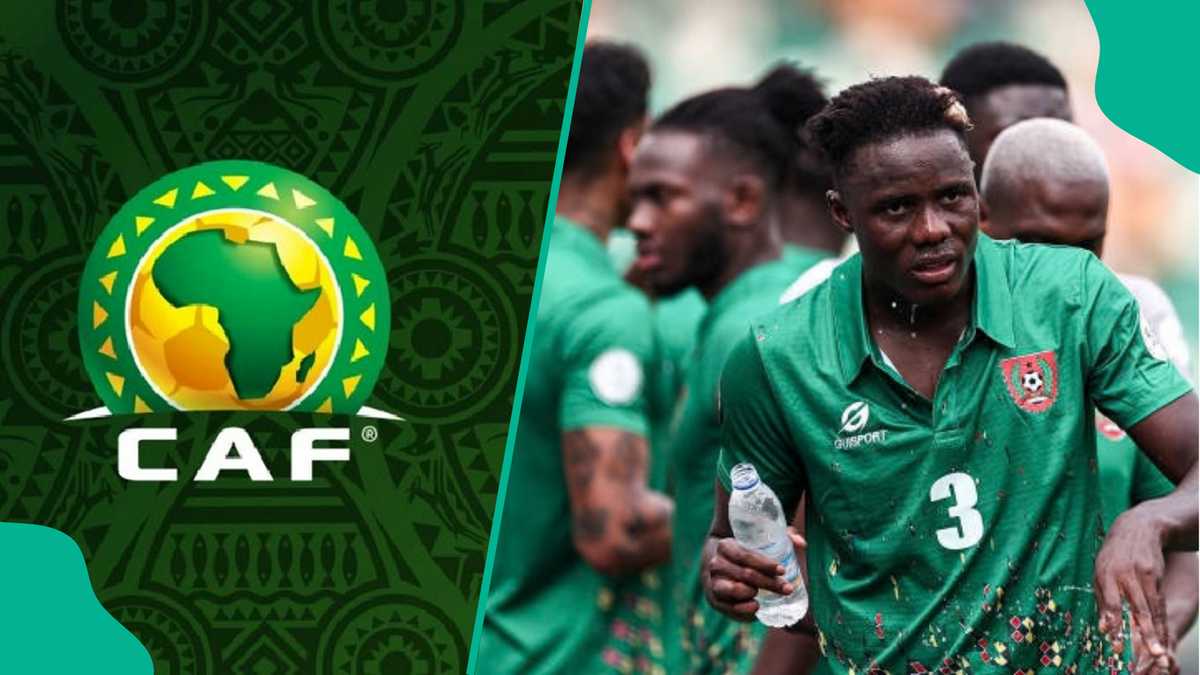
The Confederation of African Football has issued a formal apology to the Nigeria Football Federation and is set to bar the Estádio Nacional 24 de Setembro in Guinea-Bissau from hosting any further 2027 Africa Cup of Nations qualifying matches — a significant admission that the Super Eagles were made to compete on a surface unfit for professional football. Nigeria lost 3-0 on Tuesday night, and the pitch conditions were as troubling as the scoreline.
The playing surface drew alarm before a ball was even kicked. Players from both sides flagged the pitch as dangerous, and Nigerian players were reportedly advised by their clubs to assess the injury risk before taking to the field. That two sets of professional footballers felt compelled to raise safety concerns before a competitive international fixture tells you everything about the state of the venue.
On the pitch itself, Franculino Dju gave Guinea-Bissau the lead in the 15th minute with a curling finish past goalkeeper Stanley Nwabali. Mama Baldé doubled the advantage in the 66th minute, and Álvaro Djaló completed the rout in the fifth minute of stoppage time. It was the first defeat Eric Chelle has suffered since taking charge of the Super Eagles, and it leaves Nigeria on three points — three behind Guinea-Bissau, who now top Group L with a perfect six points from two games.
CAF’s Reversal and Its Consequences
What makes this episode particularly damning is that CAF had previously directed Guinea-Bissau to stage their home qualifiers in Morocco, precisely because the domestic facility was deemed substandard. That directive was reversed roughly a month before the match, after the hosts carried out what were described as extensive repairs. The pitch then deteriorated again before match day — and CAF, by its own admission, approved a venue that was no longer in the condition it had inspected.
The governing body has reportedly acknowledged as much in its apology to the NFF, conceding that the surface had worsened significantly after the original inspection cleared it for use. That is not a minor administrative oversight; it is a failure of governance that exposed professional athletes to genuine physical risk and almost certainly influenced the conditions of a competitive match.
CAF has now confirmed that the stadium will host no further qualifying fixtures. Guinea-Bissau, who sit top of the group and in a strong position to qualify, will need to find an alternative host nation for their remaining home games — a logistical and financial burden that is a direct consequence of the host association’s failure to maintain the venue to an acceptable standard.
Nigeria’s Qualifying Position Remains Precarious
The Super Eagles entered Tuesday’s fixture having won their opening game 2-1 against Madagascar, and they remain in contention for qualification. But with only one team set to advance from Group L alongside co-hosts Tanzania, the margin for error is now extremely thin. Nigeria must win their remaining fixtures and hope results elsewhere go their way.
Akor Adams, one of the Nigerian players, publicly criticised the pitch conditions after the defeat — and his frustration is entirely understandable. Whether the poor surface materially affected the result is impossible to say with certainty, but the fact that CAF felt compelled to issue a formal apology suggests the governing body itself believes something went seriously wrong. An apology, however welcome, does not restore three dropped points. What this episode demands is not just a stadium ban but a thorough review of CAF’s inspection and approval process — because the next dangerous pitch may not come with an apology attached.