
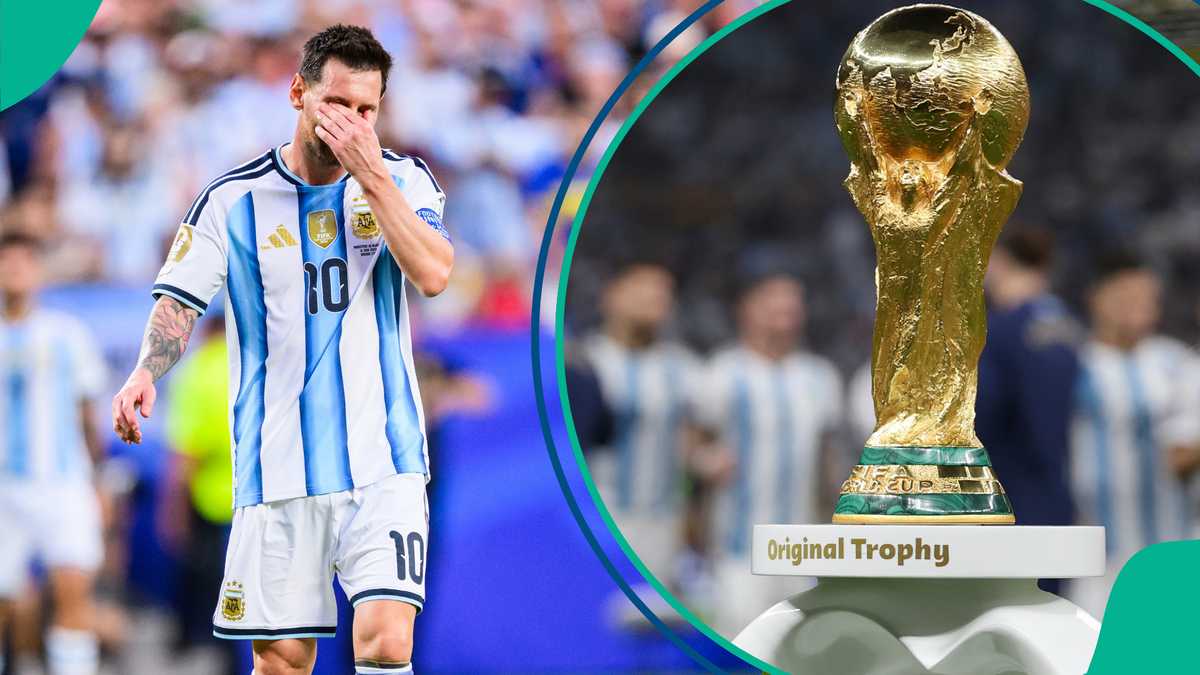
Lionel Messi has produced the most striking statistical paradox of the 2026 FIFA World Cup: he ranks dead last among outfield players for distance covered per game, yet leads the entire tournament in goals scored. That contradiction is not a curiosity. It is, in fact, the clearest possible proof that Argentina have built the most tactically intelligent system at this World Cup — and that Messi, at 39, remains its decisive instrument.
The numbers come from Opta and they are blunt. Among all 618 outfield players who have completed at least 90 minutes at this tournament, Messi sits 618th for distance covered per 90 minutes, averaging just 8.1 kilometres per game. No qualifying outfield player has covered less ground. At the same time, he has scored six goals in three matches, guiding the reigning world champions through the group stage as winners. He leads the Golden Boot race and is well placed for a record-extending Golden Ball.
That combination would be remarkable in any player. In a 39-year-old, it demands explanation.
The explanation begins with Argentina’s tactical structure under head coach Lionel Scaloni. The Albiceleste do not ask Messi to press, track runners or cover defensive ground. That burden falls on his midfielders and wide players, who collectively absorb the physical workload so that their captain can be preserved for the moments that actually decide matches. This is not improvisation — it is deliberate design. During Argentina’s triumphant 2022 campaign, midfielder Rodrigo De Paul performed a similar protective role, shielding Messi from defensive responsibility and giving him the freedom to dictate play in possession. The same blueprint has been deployed again in North America, and it is delivering the same results.
What makes Messi’s output possible is not physical exertion but something harder to quantify: the ability to occupy the right space before the defence can organise. Rather than making repeated high-intensity runs, he positions himself in dangerous areas where he can receive the ball and act before opponents react. Analysts have long argued that elite players compensate for declining physicality through superior reading of the game. Messi does not merely illustrate that argument — he makes it look obvious.
It is worth being direct about what these numbers challenge. Conventional football metrics tend to reward players who cover ground, press relentlessly and post high-intensity sprint tallies. Those metrics have their uses, but applied rigidly they would tell you Messi is the worst-performing outfield player at this World Cup. He is, in fact, its most productive. The gap between what the running data implies and what the scoreboard confirms is a useful reminder that effort and effectiveness are not the same thing — and that tactical intelligence can render raw physical output largely irrelevant.
Messi also carries a visible distinction at this tournament: he wears FIFA’s special “Legacy” sleeve badge, reserved for players who have appeared at five or more World Cups, alongside the Golden Ball patch recognising his previous triumph as the tournament’s best player. Both badges speak to a career so long and so dominant that the sport has had to create new categories to acknowledge it.
The broader implication is straightforward. Argentina are not simply relying on an ageing legend out of sentiment. They have engineered a system that extracts maximum value from precisely the qualities Messi still possesses in full — vision, positioning and finishing — while eliminating the demands that age has genuinely reduced. If that system continues to function as it has through the group stage, Messi’s distance-covered ranking will remain the least important number attached to his name at this World Cup.