
The Demand That Changes the Scope of the Emefiele Trial
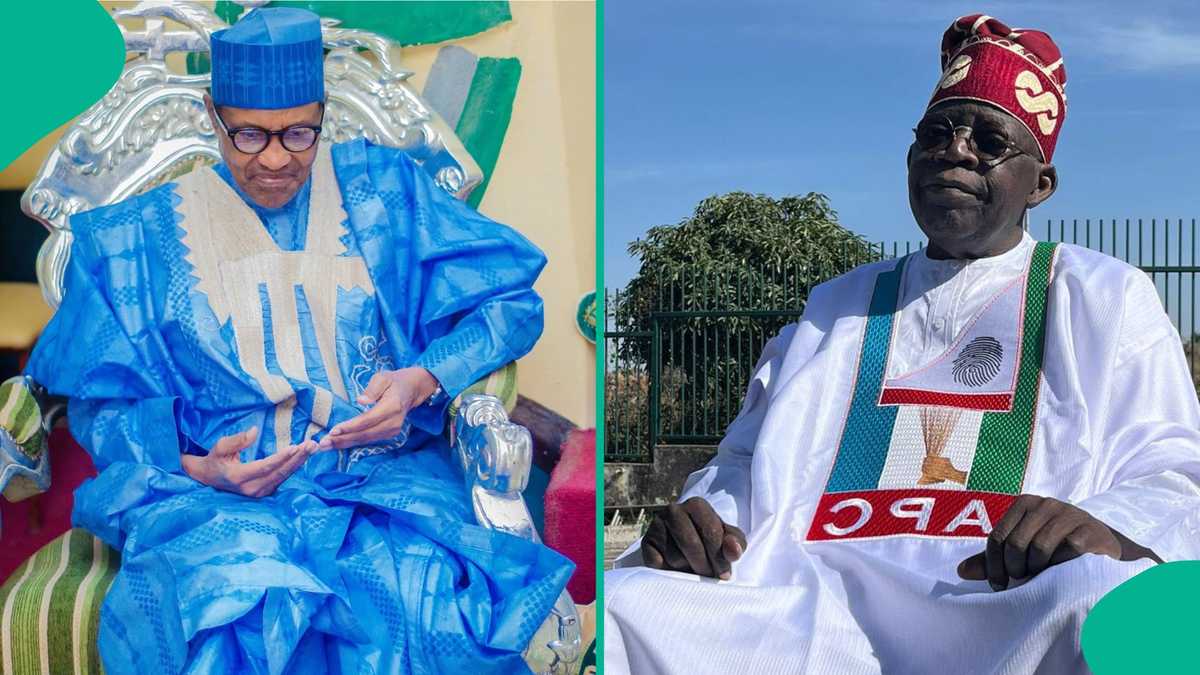
Jim Obaze, the special investigator appointed by President Bola Tinubu to probe activities at the Central Bank of Nigeria, has made a striking demand before a Federal Capital Territory High Court in Maitama: that the late former President Muhammadu Buhari and former Secretary to the Government of the Federation, Boss Mustapha, be prosecuted alongside ex-CBN Governor Godwin Emefiele in connection with an alleged unlawful withdrawal of $6.2 million from the apex bank. Obaze made the statement while testifying in the ongoing criminal trial of Emefiele, who currently faces 20 counts of conspiracy, fraud and abuse of office brought by the Economic and Financial Crimes Commission. The demand is significant not merely because it implicates a deceased former head of state, but because it broadens the accountability question well beyond the single figure the EFCC has chosen to dock.
Obaze was direct in his testimony. “For actions and inactions, Buhari ought to be charged along with Emefiele in this $6.2 million fraud, even if posthumously, since national honours are given posthumously,” he told the court. The logic is blunt and deliberately so: if the state can confer honours after death, it can also pursue culpability after death. Whether Nigerian law permits posthumous criminal prosecution in any practical sense remains a separate legal question, but Obaze’s point carries a clear moral and institutional weight that the court cannot easily ignore.
Boss Mustapha and the Disputed Signature
The former SGF, Boss Mustapha, finds himself in a particularly uncomfortable position following Obaze’s testimony. According to the investigator, Mustapha denied, when questioned directly, that he had signed the documents originating from his office that initiated the request for the $6.2 million and ultimately led to its release to an individual who claimed to be a member of his staff. Obaze was unsparing in his assessment, stating that Mustapha’s denial does not place him beyond the reach of prosecution and that the same accountability being applied to Emefiele should apply equally to the former SGF.
Obaze went further, examining documents related to the withdrawal in open court — documents presented to him by prosecuting counsel Rotimi Oyedepo — and used them to dismiss the denials issued by both the presidency and Mustapha regarding their involvement. The investigator’s position, in essence, is that the paper trail tells a story that contradicts the official denials, and that the court should treat those denials with appropriate scepticism rather than deference.
The Mechanics of the Fraud: How the Money Left the Vault
Beyond the question of who should be charged, Obaze’s testimony shed light on how the withdrawal was actually executed, and the picture it paints of institutional failure at the CBN is deeply troubling. The investigator told the court that the manager of the CBN’s Abuja branch bore direct responsibility, having released the funds without conducting any meaningful due diligence — a failure that, in a properly functioning institution, should have stopped the entire transaction before it began.
The money was collected by a man named Jibril Abubakar, who presented himself as acting on the authority of the SGF’s office — an authority that Mustapha has since denied granting. Obaze urged the court to order the arrest and prosecution of Abubakar, as well as Bashirudeen Maishanu, a current CBN staff member who reportedly admitted to being among those who misappropriated the funds and subsequently refunded $856,500 to the special investigation panel, a sum that has since been deposited back with the CBN. That Maishanu remains employed at the apex bank while this case proceeds is itself a question worth asking.
Emefiele’s Bail and the Wider Accountability Gap
Godwin Emefiele, the man at the centre of the EFCC’s prosecution, has in the meantime met his N300 million bail conditions and walked out of Kuje Correctional Centre. Justice Hamza Mu’auz of the Federal High Court in Maitama had granted bail on the condition of N300 million and two sureties with landed properties in the Maitama area. His release was confirmed by Adamu Duza, spokesperson for the Kuje Correctional Centre, on a Saturday morning. Emefiele remains the sole figure formally charged in this matter, which is precisely the point Obaze appears determined to challenge.
Obaze was explicit that every individual implicated in the fraud — Emefiele, Mustapha, Maishanu, former CBN board members who served during Emefiele’s tenure, and, posthumously, Buhari himself — should face the same legal process. He expressed confidence that they would all, in time, be docked. Whether the EFCC and the courts are prepared to follow that logic wherever it leads, including toward figures who are politically connected or no longer alive, will say a great deal about the seriousness of Nigeria’s anti-corruption architecture.
What This Means for Accountability in Nigeria
The Emefiele trial has, from the outset, carried the risk of becoming a selective exercise — one man made to bear the weight of systemic failures that implicated an entire network of officials, political figures and institutional actors. Obaze’s testimony, whatever its legal consequences, serves as a public record that the fraud did not begin and end with the CBN governor, and that the institutions and individuals who enabled or ignored the unlawful withdrawal must be brought into the frame. The argument that accountability should stop at the most convenient target is one that Nigerians have heard too many times before, and it has never produced lasting reform.
The broader significance of this case lies not only in the specific sum of $6.2 million — significant as it is — but in what it reveals about how public funds can be moved through official channels using forged or disputed authorisations, with multiple layers of institutional oversight failing simultaneously. If the prosecution remains narrowly focused on Emefiele alone while the other named individuals face no consequences, the trial will have answered the lesser question while leaving the larger one entirely untouched.