
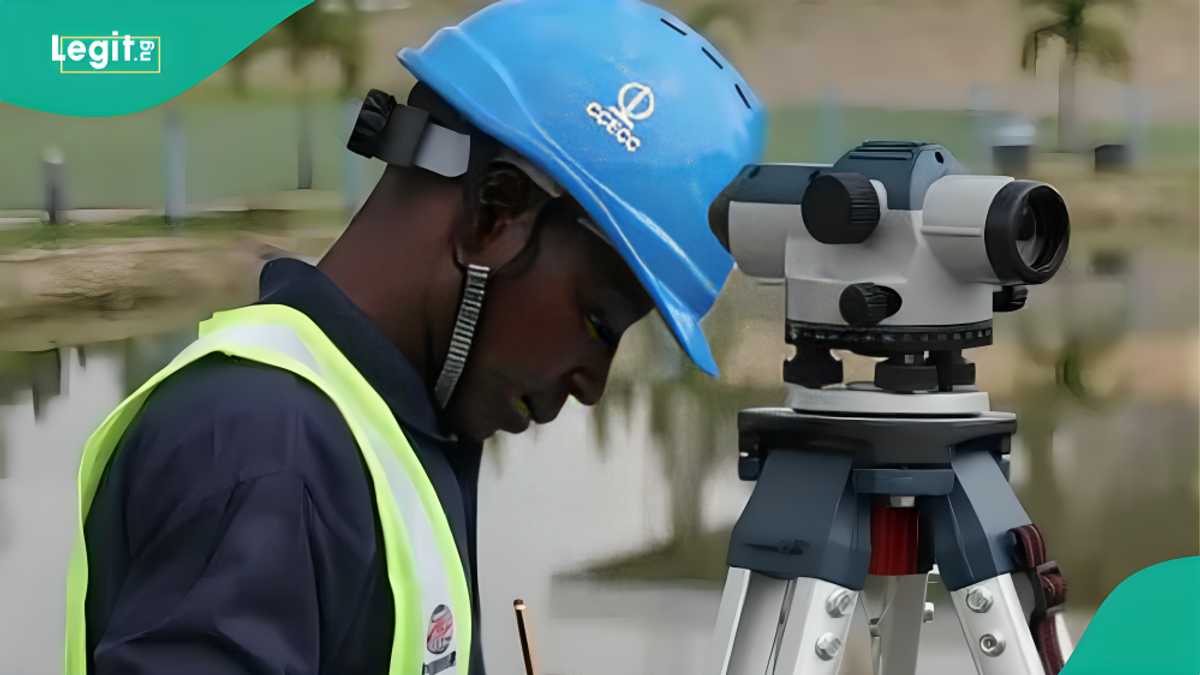
A major Chinese infrastructure firm is hiring in Abuja — and the announcement has already sparked debate online about professional standards and the place of Nigerian engineers on home soil.
China Civil Engineering Construction Corporation (CCECC) Nigeria Limited is no newcomer to this country. Over the past decade, the company has left a measurable imprint on Nigeria’s transport landscape, designing, building and handing over some of the most consequential rail infrastructure the country has ever seen. According to The Guardian, its completed projects include the 37-kilometre Abuja Metro, the 186-kilometre Abuja–Kaduna railway, the 326-kilometre Ajaokuta–Itakpe–Warri corridor and the 156-kilometre Lagos–Ibadan railway — the last of which includes a 7-kilometre extension. These are not small achievements, and they have cemented CCECC’s position as one of the dominant contractors shaping how Nigerians move across the country.
It was against that backdrop that John Zhao, a director at CCECC Nigeria, took to his official X account on Tuesday, 4 August 2026, to announce that the firm was actively recruiting for eleven full-time positions based in Abuja. The announcement was direct: qualified professionals should apply immediately. Salaries, the post noted, were negotiable.
The roles on offer span a range of technical and managerial disciplines, and together they paint a picture of a company preparing to deepen its capacity for design and project development in Nigeria.
The post spread quickly across social media, drawing the kind of mixed reaction that tends to follow any job announcement touching on Nigeria’s infrastructure sector and its relationship with foreign contractors. Some users expressed straightforward interest. Others were less charitable. One commenter, posting under the handle @jollofqueeno, captured a sentiment that many Nigerians quietly hold: “Lol. There is nothing we will not see in Nigeria. Negotiable salary? I want our engineers designing, not carrying files for foreign experts.” It is a pointed remark — and not an unreasonable one, given the longstanding tension between Nigeria’s need for foreign investment and its equally legitimate expectation that local talent be genuinely empowered rather than merely employed at the margins.
A more procedural concern came from @SuleimanSaiduAb, who questioned the credibility of the listing itself, writing that the use of a generic email address in the recruitment notice represented “a massive corporate branding failure” that “destroys public trust and makes their HR department look completely unprofessional.” Whether or not that assessment is fair, it points to a real issue: in a job market where scams are rampant and applicants are routinely exploited, the burden on legitimate employers to signal credibility is higher than ever. A firm of CCECC’s stature advertising through a personal X account, with a generic contact address, will inevitably invite scrutiny.
For now, the positions remain open. Interested candidates are advised to verify the listing directly through official CCECC Nigeria channels before submitting any personal information or documents. All eleven roles are full-time and based in Abuja.