The war between the United States and Iran has entered a dangerous new phase. Two American service members are dead, one is missing, and the fragile diplomatic framework that had briefly suggested a path to peace lies in ruins — all within the space of a single weekend. This is not an escalation that crept up quietly. It is a sharp, decisive rupture that exposes the fundamental instability at the heart of this conflict and demands clear-eyed assessment rather than diplomatic euphemism.
The attack occurred on Friday, 17 July, when Iranian ballistic missiles and drone strikes hit a US military base in Jordan. The Pentagon confirmed the deaths on Saturday, 18 July, making these the first American fatalities from direct Iranian fire since the earliest stage of the conflict. Four additional service members sustained injuries serious enough to require hospital evacuation, though all four were subsequently discharged. The identities of those killed have not been released. The toll across the full course of the war now stands at 16 US military deaths and more than 430 wounded — figures that place this conflict well beyond the category of a contained skirmish.
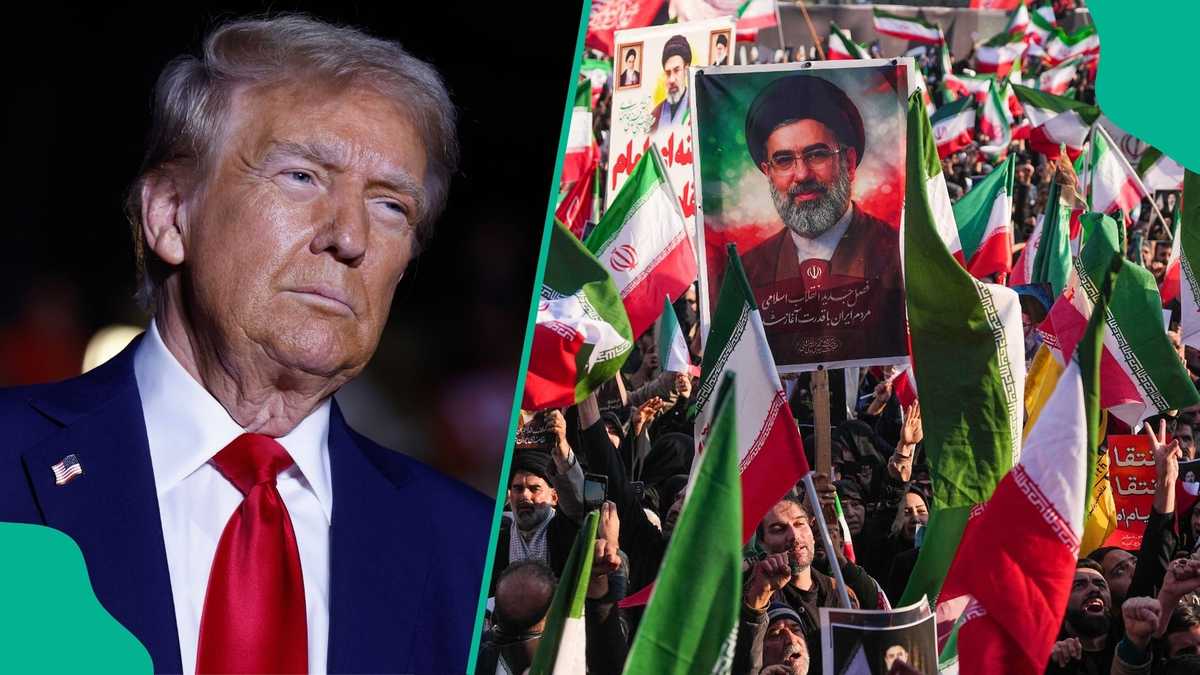
What makes this moment particularly significant is the timing and the source of Iran’s public messaging. Within minutes of the casualty announcement, a statement attributed to Mojtaba Khamenei — Iran’s supreme leader, who has not been seen publicly since the war began — was broadcast on Iranian state television. The language was unambiguous. The United States would face “unforgettable lessons” if it continued striking the Islamic Republic. President Donald Trump’s signature was declared “worthless and invalid.” The warning extended explicitly to the broader network of armed groups aligned with Tehran, referred to as the “Axis of Resistance.” Iran was not hedging. It was signalling that it considers itself in an existential contest, and that it intends to fight accordingly.
The collapse of the interim ceasefire agreement compounds the danger considerably. Iran’s deputy foreign minister, Kazem Gharibabadi, announced on state television that Tehran was suspending its obligations under the deal, which had been signed approximately one month prior, accusing Washington of breaking its terms first. The agreement had been structured explicitly as a bridge to a permanent end to the fighting. Its breakdown removes the only visible diplomatic off-ramp from a conflict that has already drawn in regional armed groups, disrupted global energy markets, and placed civilian infrastructure — including desalination plants supplying drinking water across the region — in the line of fire. No mediator has stepped forward with a credible fresh proposal.
The United States, for its part, has not paused. US Central Command confirmed a seventh consecutive night of strikes in the early hours of Saturday, targeting surveillance infrastructure, military logistics networks, underground weapons storage sites, and maritime assets linked to Iran. The Strait of Hormuz — the narrow waterway through which roughly a fifth of the world’s crude oil supply previously flowed — has become the geographic centre of the conflict, with strikes from both sides hitting military and infrastructure targets with increasing frequency. Global markets remain on edge, and with good reason. A prolonged disruption to Hormuz shipping would send shockwaves through every oil-importing economy on the planet, Nigeria firmly included.
The uncomfortable reality here is that both sides have now taken actions that make de-escalation structurally harder. Iran has killed American soldiers on a base in a third country and torn up a ceasefire agreement. The United States has conducted seven straight nights of strikes and shows no sign of restraint. The collapse of the interim deal means there is currently no agreed framework, no active mediation and no public signal from either government that it is prepared to accept a compromise outcome. What began as a conflict with a diplomatic track now looks like a war without one. The consequences — for the region, for global energy supply, and for the countries caught between these two powers — are only beginning to emerge.