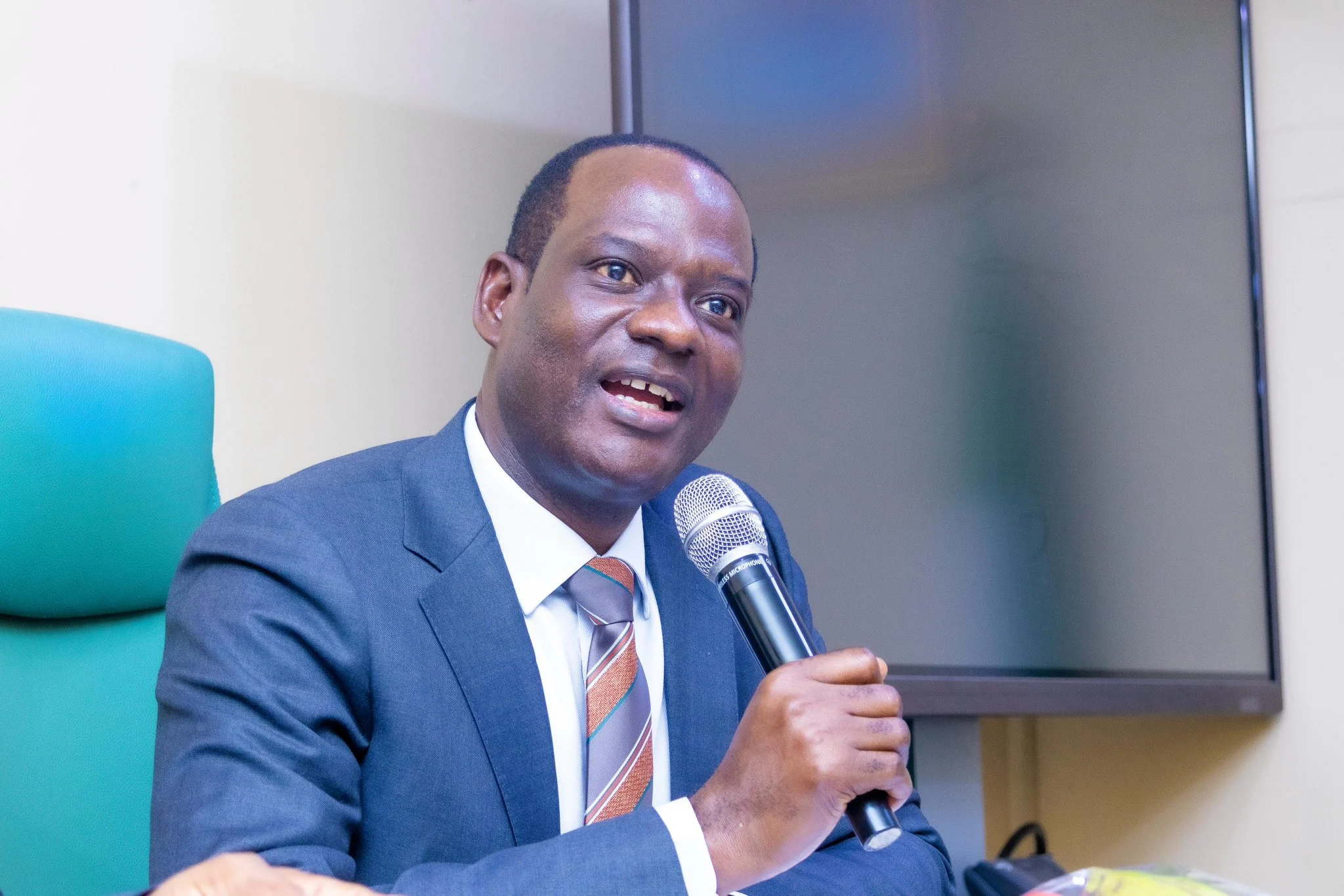
Nigeria’s Minister of Finance and Coordinating Minister of the Economy, Taiwo Oyedele, has said the country’s biggest tax challenge is expanding the number of people and businesses paying taxes rather than increasing tax rates.
Speaking in Abuja during a meeting with the Chartered Institute of Taxation of Nigeria (CITN), Oyedele said improving tax compliance and promoting fairness in the tax system remain central to the Federal Government’s economic reform agenda.
According to the minister, many Nigerians still believe that tax reforms are designed solely to generate more revenue for the government. He argued that the objective is instead to ensure that everyone who is legally required to pay taxes contributes fairly.
“We need a broader tax base, not higher taxes,” Oyedele said, adding that a more inclusive system would strengthen government revenue while reducing the burden on compliant taxpayers.
The visit coincided with the first anniversary of Nigeria’s Tax Reform Acts, which introduced a series of changes aimed at modernising tax administration, simplifying compliance and encouraging voluntary participation.
During the event, the Chartered Institute of Taxation of Nigeria also launched its National Tax Awareness Day, designed to improve public understanding of the country’s tax reforms. CITN President Innocent Ohagwa said many individuals and businesses remain uncertain about how the new laws affect them despite a year of implementation.
The institute highlighted several measures introduced under the reforms, including tax reliefs for eligible individuals and incentives for small and medium-sized enterprises. Officials said these provisions are intended to encourage investment, support business growth and improve voluntary compliance.
Both the Ministry of Finance and the Nigerian Revenue Service reiterated their commitment to strengthening taxpayer education, expanding digital tax services and building greater public confidence in the country’s tax administration system.
Officials said increasing compliance through education and transparency remains essential to achieving sustainable revenue growth and supporting Nigeria’s long-term economic development.