
For years, criticism of Nigeria’s military response to terrorism centred on a familiar complaint: the rhetoric outpaced the results. Operations were announced, press releases followed, and yet communities across the North-East, North-West and beyond remained hostage to insurgents and bandits. That narrative has begun to shift, and the numbers emerging from the Defence Headquarters for July and August 2025 are the most concrete evidence yet of a change in operational tempo.
The story begins with the strategic appointments that reshaped the military’s command structure in the period leading up to this year’s dry-season campaigns. The Minister of State for Defence, Dr Bello Matawalle, alongside Chief of Defence Staff General Olufemi Oluyede and Chief of Army Staff Lieutenant General Waidi Shaibu, moved quickly to reorient operations from a largely defensive posture to one of sustained offensive pressure. That shift in doctrine, quiet at first, has since produced figures that are difficult to dismiss.
By the end of August, troops had conducted thousands of operations across the country during just those two months. The Defence Headquarters confirmed that 1,487 terrorists and insurgents were neutralised in the period, while 777 kidnapped victims were rescued from captivity. A further 354 suspects were arrested, and troops recovered 91 firearms, 1,331 rounds of ammunition and 44 improvised explosive devices — materiel that, left in hostile hands, would have fuelled further attacks on civilian populations.
In the North-East, Operation Hadin Kai maintained relentless pressure on Boko Haram and Islamic State West Africa Province fighters throughout August, neutralising 114 terrorists, arresting 146 suspects and freeing 60 kidnap victims in that month alone. Zooming out to a broader assessment period, the Chief of Army Staff reported even more substantial gains: 1,993 terrorists neutralised, 2,645 suspects arrested and 1,778 civilians rescued. Crucially, the Army added that improved security conditions had allowed displaced communities to return to towns including Mallam Fatori, Kukawa and Ngoshe — places that had been effectively abandoned to violence.
In the North-West, Operation Fansan Yamma struck terrorist camps across Kaduna, Katsina, Kebbi, Sokoto and Zamfara states. Between 31 August and 3 September, raids on hideouts in Katsina State resulted in the killing of suspected terrorist kingpins, disrupting command structures that bandits had relied upon to coordinate attacks on farming communities and travellers.
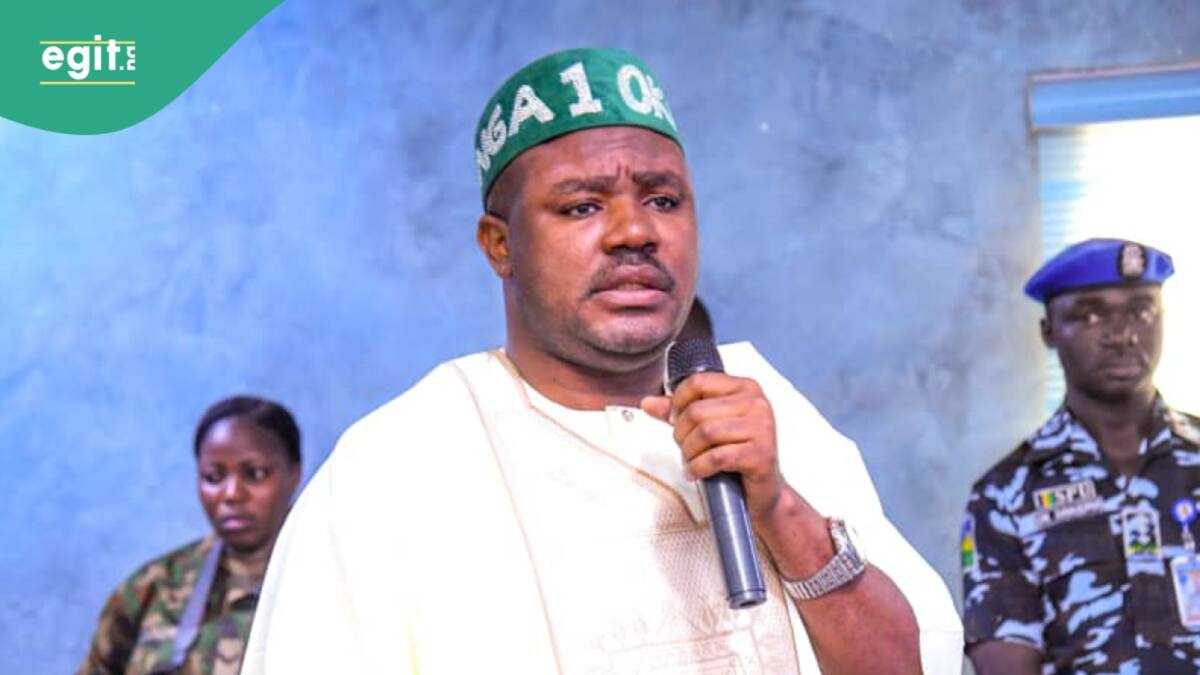
It was against this backdrop that House of Representatives Deputy Spokesperson Hon. Philip Agbese, a Labour Party lawmaker representing Benue State, gave his assessment during an interview on Monday, 28 September. Agbese was direct. “Nigeria’s Armed Forces have gone beyond rhetoric. We are now deadly threats to terrorists,” he said, singling out Matawalle, Oluyede and Shaibu for what he called strong strategic leadership. His praise carried weight precisely because it came from a member of an opposition party with no obvious political incentive to flatter the executive.
Agbese was equally clear that battlefield gains must not breed complacency. He called on the government to sustain investment in modern equipment, surveillance technology, logistics and, critically, the welfare of serving soldiers. A military stretched thin and poorly supported, he argued, creates the conditions for terrorist groups to regroup and reconstitute. He also urged civilians to share reliable information with security agencies, describing community intelligence as indispensable to locating hideouts and disrupting supply networks that armed groups depend on.
The lawmaker drew particular attention to the increasing number of insurgents surrendering to authorities, framing it not merely as a symbolic development but as a practical intelligence windfall. Each defection weakens terrorist manpower while opening a window into the internal workings of these organisations. “The rescue of hundreds of innocent Nigerians, many of them women and children who had spent months in captivity, speaks volumes about the commitment and professionalism of our troops,” Agbese said. “These brave men and women continue to risk their lives every day so that ordinary Nigerians can live in peace, and as a nation, we owe them our gratitude and unwavering support.”
The sentiment was echoed from a different quarter when northern youth leader Alhaji Ibrahim Dan-Musa addressed a gathering of the Northern Ethnic Youth Group Assembly in Lafia. Dan-Musa praised Lieutenant General Shaibu directly, telling attendees that coordinated military operations were now both preempting attacks before they occurred and systematically dismantling bandit strongholds. “Our soldiers are delivering results. Attacks are being preempted, and bandit strongholds are being systematically dismantled,” he said — a verdict from a civilian voice in the communities that have borne the heaviest cost of insecurity.
The figures and the testimonies together point to a military that is, at minimum, operating with greater effectiveness than it was twelve months ago. Whether that momentum can be sustained — and whether the government will make the investments in equipment, intelligence and troop welfare that Agbese and others are demanding — will determine whether these gains become a turning point or merely a peak before another trough. For now, the numbers speak clearly enough.