A Nigerian Midfielder in Demand
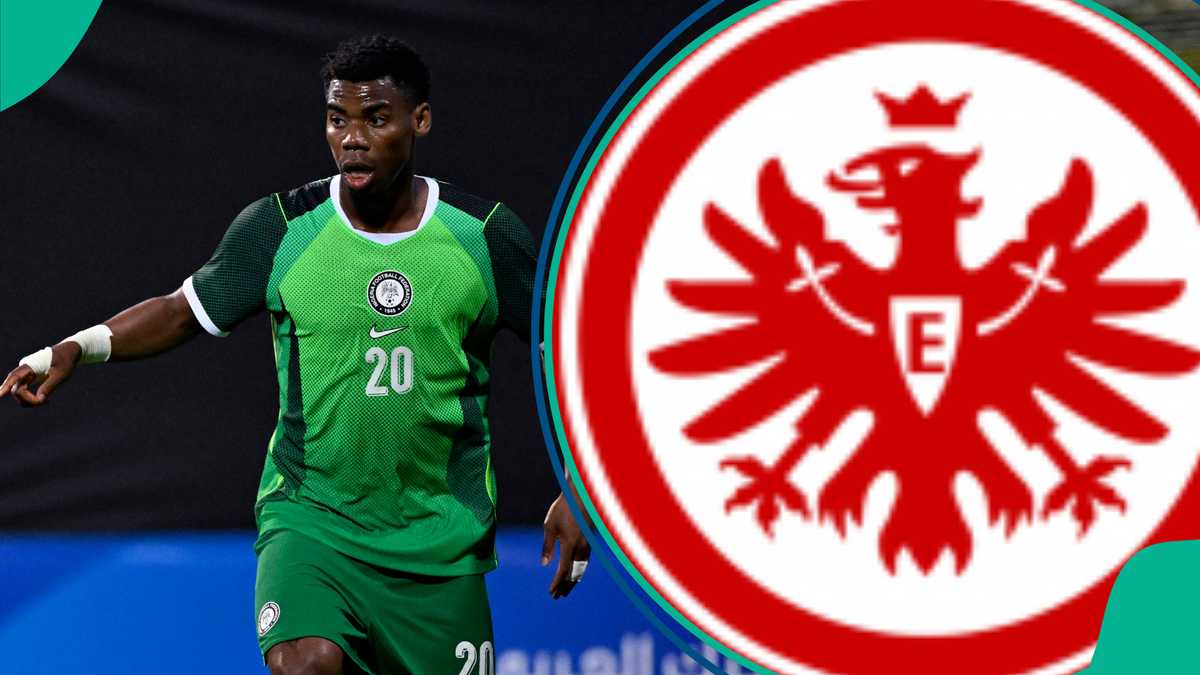
Eintracht Frankfurt have opened formal negotiations with Club Brugge for Super Eagles midfielder Raphael Onyedika, and the move tells us something important beyond the transfer itself: Nigerian footballers are no longer afterthoughts in European recruitment — they are primary targets. Frankfurt have not merely expressed interest; according to transfer expert Fabrizio Romano, they have submitted an official bid, making them the first club to take a concrete step in what has become a crowded race for the 25-year-old’s signature.
The thesis here is straightforward. Onyedika’s situation illustrates both the opportunity and the structural problem facing Nigerian football talent: high individual value, weak collective leverage, and a transfer ecosystem that still enriches European clubs far more than the players’ home nation. Frankfurt’s move is good news for Onyedika personally, but it deserves scrutiny beyond the headline.
What Frankfurt Are Actually Buying
Onyedika joined Club Brugge from Danish side FC Midtjylland and quickly became one of the most reliable defensive midfielders in Belgian football. In 183 appearances across all competitions, he has contributed nine goals and six assists — modest attacking numbers that miss the point entirely, because his value lies in his composure under pressure, his ball-winning instincts and his tactical discipline in shielding a backline.
The Bundesliga is a significant step up in intensity and profile, and Frankfurt clearly believe he is ready for it. They are seeking midfield reinforcement ahead of the new season and have identified Onyedika as the profile that fits their system. That judgement, from a club that regularly competes in European competition, is a meaningful endorsement of what Nigerian football can produce.
The complicating factor is contractual. Onyedika’s deal at Brugge enters its final year this summer, which shifts the power dynamic considerably. Club Brugge face a familiar dilemma: sell now and recover a transfer fee, or hold firm and risk losing him for nothing in twelve months. That pressure gives Frankfurt — and any competing clubs — a degree of leverage they would not otherwise enjoy.
The Bigger Picture for Nigerian Talent
Onyedika is not alone. Multiple Super Eagles players are attracting serious European interest this transfer window, a pattern that reflects genuine quality across the squad rather than isolated individual brilliance. Nigeria has, quietly and without sufficient recognition, become one of the more productive pipelines for technically capable, physically robust midfielders in European football.
The uncomfortable reality is that this production line benefits European clubs structurally. Nigerian players develop through local academies and lower-league environments, move abroad young, mature at clubs like Brugge or Midtjylland, and then get sold upward — with the financial windfall flowing almost entirely outside Nigeria. The Super Eagles benefit from better-developed players returning for international duty, but the domestic game and its institutions see little of the commercial value being generated.
Frankfurt’s bid for Onyedika is, in isolation, a positive story about a talented Nigerian footballer earning his shot at a bigger stage. Taken in context, it is also a reminder that Nigeria’s football economy remains structurally dependent on foreign clubs to develop and monetise its own talent. Until that changes, transfer headlines like this one will keep celebrating individual progress while the broader system stays exactly as it is.