
A Quiet Vote With Real Consequences
Nigeria’s Senate has confirmed Engr. Sani Mohammed Ndanusa as a Non-Career Ambassador/High Commissioner of the Federal Republic of Nigeria. The confirmation was unanimous. What it signals about the Tinubu administration’s approach to diplomacy is worth examining carefully.
The appointment is not merely a routine administrative act. It reflects a deliberate effort by President Bola Tinubu to shape Nigeria’s diplomatic corps with nominees drawn from outside the career foreign service — a choice that carries both opportunity and risk for the country’s international standing.
How the Confirmation Unfolded
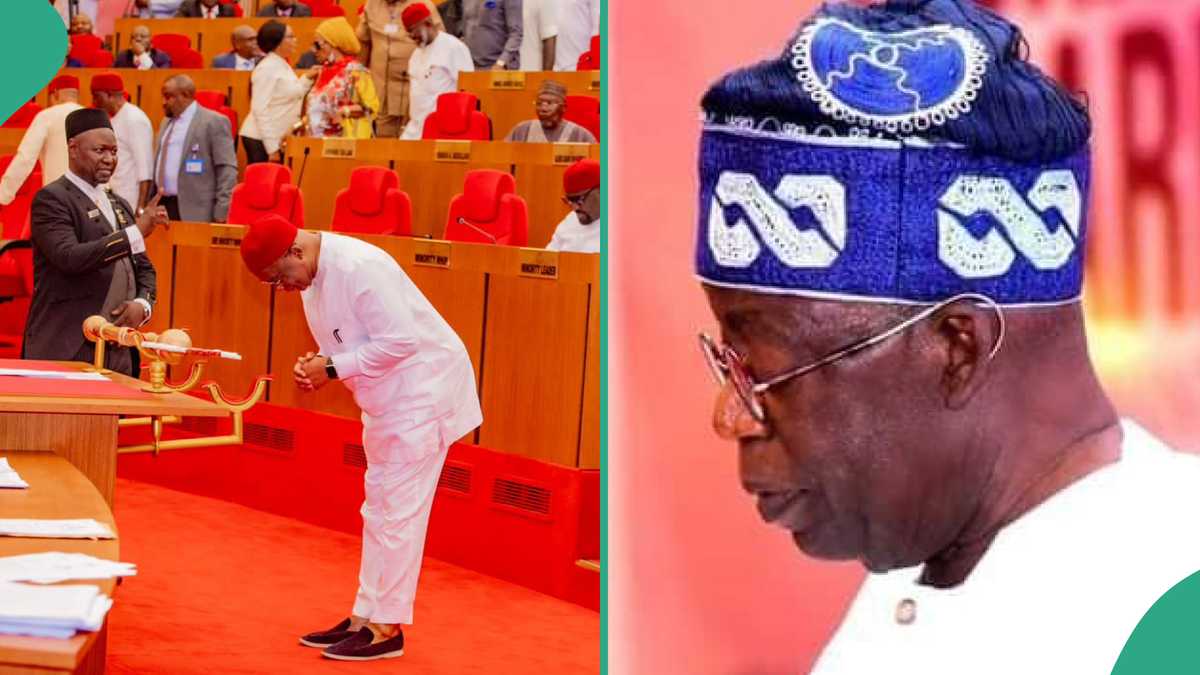
The Senate Committee on Foreign Affairs, chaired by Senator Sani Abubakar of Niger North, conducted the screening of Ndanusa’s nomination before presenting its report to the full chamber during plenary on Tuesday. Senate President Godswill Akpabio then laid before lawmakers the recommendations of the Committee of the Whole, which had separately examined the Foreign Affairs Committee’s findings. Senators voted in favour by voice vote, and Akpabio formally declared the nomination confirmed.
The process moved without friction. No dissenting voices were recorded. Akpabio congratulated Ndanusa directly after the vote, expressing confidence that the newly confirmed diplomat would draw on his professional background to advance Nigeria’s foreign policy objectives and strengthen bilateral ties at whichever mission he is posted to — a posting that has not yet been publicly announced.
The Non-Career Question
Ndanusa’s designation as a Non-Career Ambassador is significant and should not be glossed over. Nigeria’s diplomatic corps has long been staffed by career officers who rise through the Ministry of Foreign Affairs over decades. Non-career appointments bypass that pipeline entirely, placing individuals — often with political or professional connections — directly into ambassadorial roles. Done well, it can inject fresh expertise into missions that need it. Done carelessly, it weakens the institutional credibility of Nigeria’s foreign representation. The Senate’s unanimous confirmation offers no indication of which outcome awaits.
Nigeria’s Diplomatic Landscape Under Tinubu
Tinubu has moved to reshape several arms of the federal government since taking office, and the diplomatic corps is no exception. Expanding the pool of non-career ambassadors is consistent with a broader pattern of executive appointments that consolidate presidential influence over key institutions. Whether that produces stronger embassies or merely loyal ones remains the critical question.
Nigeria’s foreign policy interests are substantial. The country holds outsized influence in West Africa, maintains significant relationships across the African continent, and has economic ties that demand competent diplomatic management. A poorly equipped ambassador at a strategically important mission costs Nigeria far more than the salary paid to fill the post.
Ndanusa’s specific destination has not been announced. Until it is, a full assessment of the appointment’s strategic logic is impossible. What is clear is that the Senate has done its part swiftly and without public scrutiny of any depth. The harder work — ensuring the man performs — now falls entirely to the executive.
A Reminder of What Diplomacy Costs
The confirmation comes against a sombre backdrop. Dele Cole, a veteran Nigerian journalist and former diplomat who served as Managing Director of the Daily Times before being appointed ambassador to two South American countries, died recently at the age of 86. Cole’s career represented an era when non-career appointments could produce diplomats of genuine distinction. His passing is a reminder that the standard is achievable — and that it demands more than a Senate voice vote to reach it.
Ndanusa now carries that responsibility. The Senate has confirmed him. Tinubu will post him. Nigeria will be watching what he does next.